
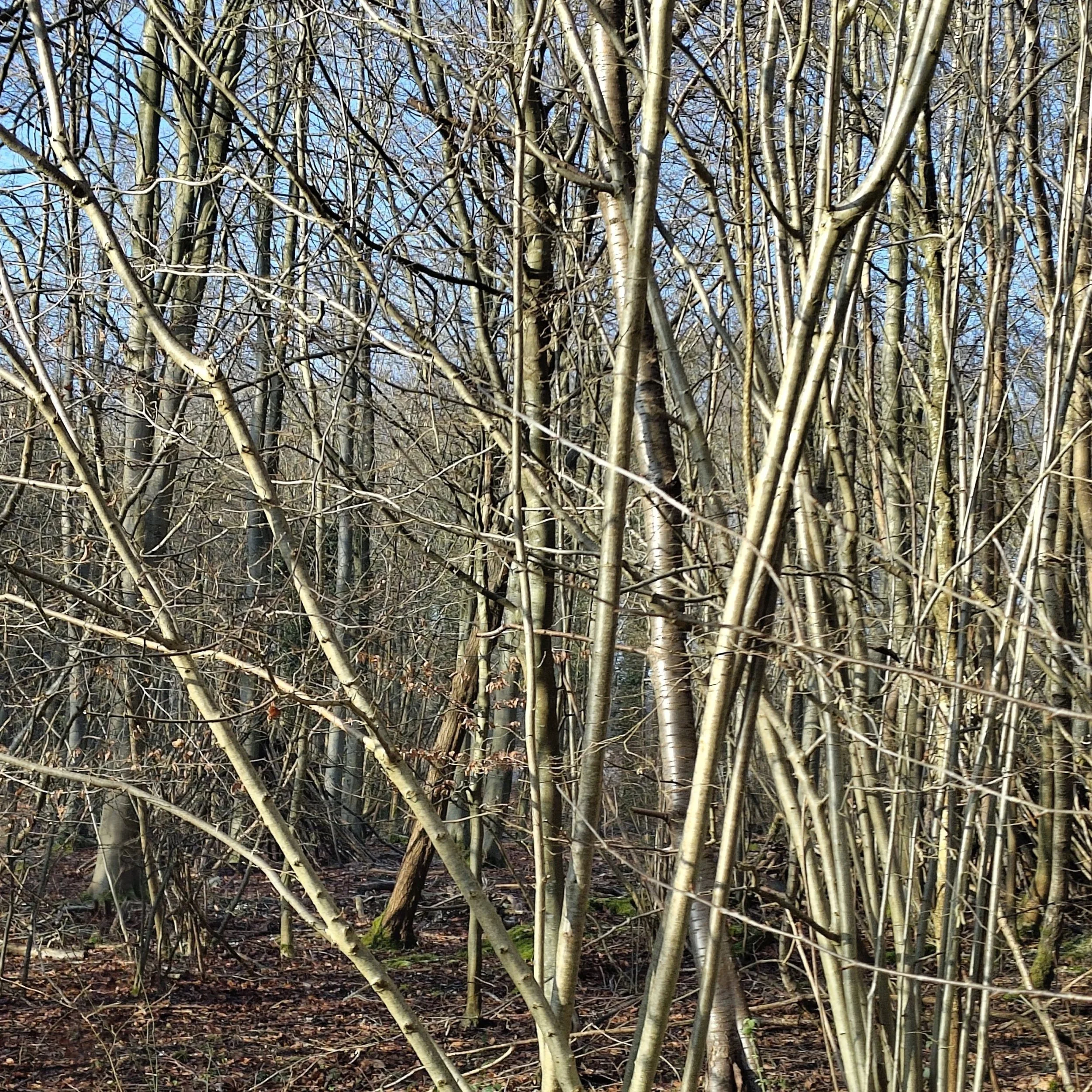
How can coppicing ancient woodland unlock new green finance revenue streams?
Client & Collaborators: Working with Albanwise, J&C Farms, the University of Nottingham and the Norfolk Wildlife Trust funded by the Environment Agency’s Natural Environment Investment Readiness Fund (NEIRF) to determine the financial feasibility and co-benefits for nature and climate change from estate or landscape scale coppicing for biochar production and agricultural use.
Location: West Norfolk
Duration: August 2024 - December 2025
Size: Pilot site was 4.03 hectares, to be scaled across the West Norfolk Nature Network Landscape Recovery project area to an approximate 2,000 hectares of woodland
Funding: Environment Agency Natural Environment Investment Readiness Fund (NEIRF) Round 3
Focus: Coppicing, biochar, diversified revenue streams, soil carbon
Habitats: Pilot site is ancient woodland, when scaled inclusive of other woodland types
“The Biochar project between Accelar and J&C Farms could enable a regional scale facility to be established in concert with the West Norfolk Nature Network Landscape Recovery project. This would lock up significant carbon and potentially benefit contributing farms by facilitating both water and nutrient availability to sustainably grown crops.
There remains work to do in terms of viability, suitability and affordability, yet the concept of using coppiced broadleaf woodland management as feedstock appears promising and it was a pleasure to work with the Accelar team.”
David Marsham - J&C Farms
Project Overview
Accelar assessed the strategic opportunity for biochar as a sustainable income stream for farms across Norfolk and explored whether restored coppice management could provide a scalable feedstock source.
What is Biochar?
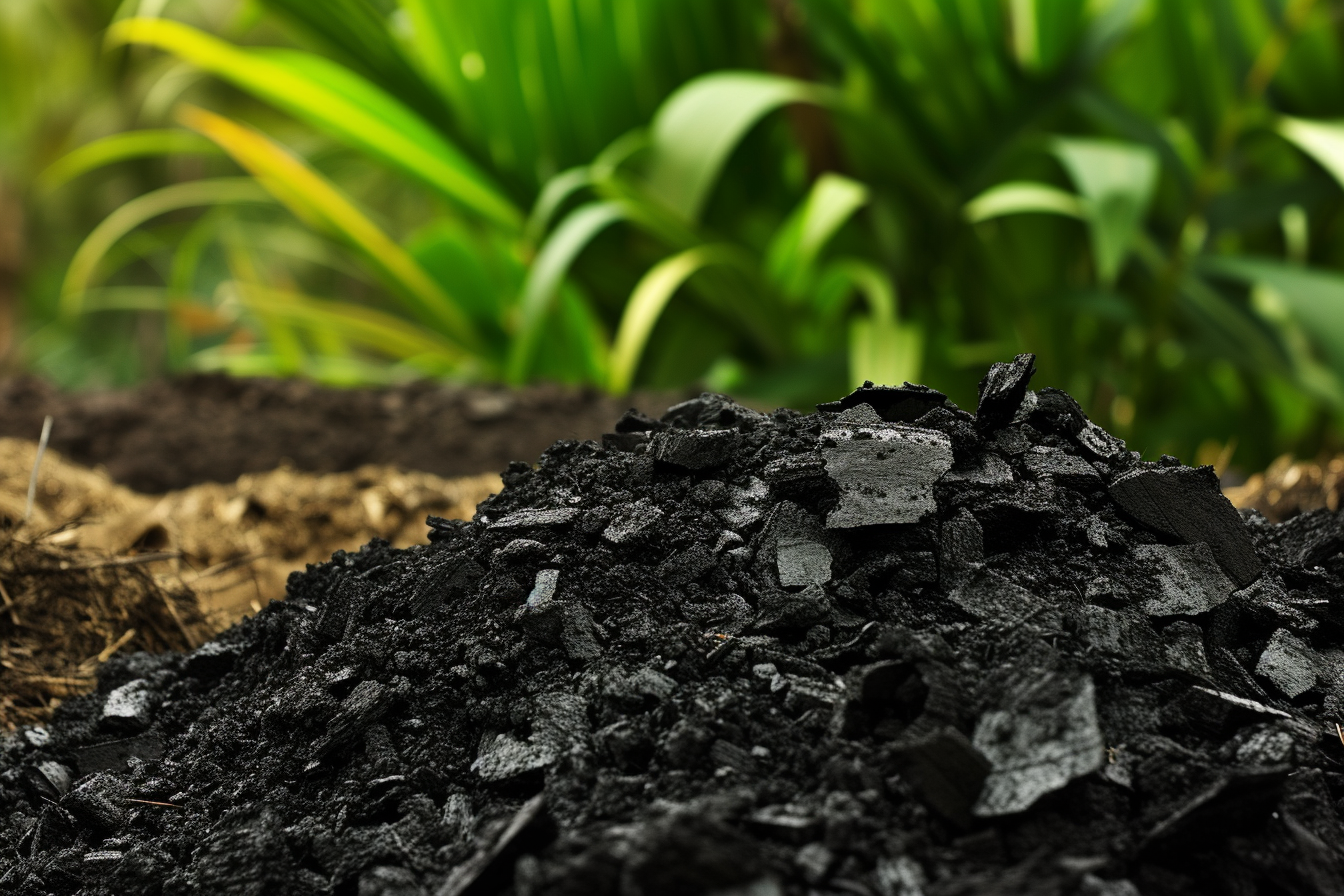
Biochar is a carbon-rich, porous material similar to charcoal, produced by heating organic materials such as wood chips and agricultural residues with little or no oxygen, through a process called pyrolysis. This converts the biomass into a stable solid, alongside gases and oils that can be recovered for energy. Biochar has several potential uses, including improving soil water and nutrient retention, supporting plant growth and reducing nutrient losses. It can also be used in water filtration to capture certain pollutants and incorporated into construction materials such as concrete and asphalt. By retaining carbon that might otherwise be released as the original biomass decomposes, biochar can provide long-term carbon storage. However, its suitability and environmental benefits depend on the source material, production process and specific application.
Our Role
Working across two phases, Accelar first worked with Albanwise Environment and the University of Nottingham's biochar research team to evaluate the whole-life carbon impacts of biochar production and use. Alongside this, we assessed the strategic opportunity for biochar across Norfolk, exploring feedstock supply, potential processing locations and pathways for scaling delivery. This provided an evidence base to identify where biochar could contribute most effectively to carbon sequestration, land management and wider environmental outcomes.
In the second phase, Accelar worked with J&C Farms to explore the viability of using coppiced broadleaved wood from woodland management and biochar production at the Gayton Estate. To do so, we linked ecological evidence with commercial modelling based on the latest biochar plant technologies on the market. We translated site-level woodland data into scalable aggregation scenarios based on moving from a single estate to a landscape scale. The latter was facilitated via our other work with J&C farms on the West Norfolk Nature Network Landscape Recovery project which spans multiple land holdings across 15,000 hectares of land. We also drew in market insights from the fast-growing biochar market to create a bespoke, scalable model for integrating biochar into farm business and woodland management operations. This was underpinned by engagement with supply chain actors for biochar in the UK and Europe and local ecological experts from the Norfolk Wildlife Trust.
Our Services
Investigated, compiled and analysed environmental, economic and market data associated with coppicing, woodland management, biochar production and emerging biochar markets.
Assessed estate-scale coppice yields, woodland management practices, biodiversity considerations and commercial viability.
Developed landscape-scale aggregation scenarios to explore how multiple woodland owners could participate in a coordinated supply chain capable of supporting investment and long-term delivery.
Analysed potential revenue streams and cost savings, including the biochar carbon market, wholesale markets, bioenergy and soil application benefits.
Produced a 30-year financial model to calculate projected costs and revenues.
Held market engagement discussions with key biochar stakeholders in the UK.
Challenges
A key challenge was translating detailed pilot-site evidence into a model capable of wider application across the landscape. While coppice woodland management may be viable at individual sites, long-term commercial success depends on achieving sufficient scale. We overcame this by developing aggregation scenarios which tested how multiple woodland owners could contribute feedstock, to create economies of scale and improve overall investment readiness.
Impact & Benefits:
Clarified the viability of biochar production for J&C Farms, aligned with existing and planned woodland management practices.
Balanced commercial opportunity with woodland health, supporting continued woodland growth, biodiversity enhancement through retained deadwood, and longer-term timber value.
Built a robust evidence base for investment and aggregation, helping demonstrate how biochar could work at both farm and wider landscape scale.
Developed practical woodland management assumptions to underpin future calculations, modelling and decision-making.
Identified a pathway for nature, carbon and commercial benefits to work together, showing how biochar could support farm income, carbon markets and environmental outcomes.
Strengthened confidence in biochar as a viable opportunity for farm businesses, providing clearer insight into potential costs, revenues and delivery requirements.