
The Future of Transition Planning: Climate, Nature and Resilience in One Strategy
Transition planning is entering a new phase. For many organisations, the first generation of transition plans focused on reducing emissions and meeting disclosure requirements. While these are still critical priorities, we are quickly starting to see that climate transition is about far more than carbon.
The most effective transition strategies are now connecting climate mitigation, nature restoration and resilience in a single vision. This reflects a growing recognition, rooted in systems thinking, that climate and nature challenges are interconnected and that resilience cannot be treated as a separate issue managed on the sidelines on an ad-hoc basis. This shift is also reflected in evolving policy and investment priorities. The Government’s recently published 30by30 Delivery Plan highlights that nature recovery is not an isolated environmental objective, but a critical component of climate resilience, economic prosperity and healthy communities. As organisations respond to these changing expectations, there is growing recognition that climate mitigation, adaptation and nature recovery cannot be planned in isolation.
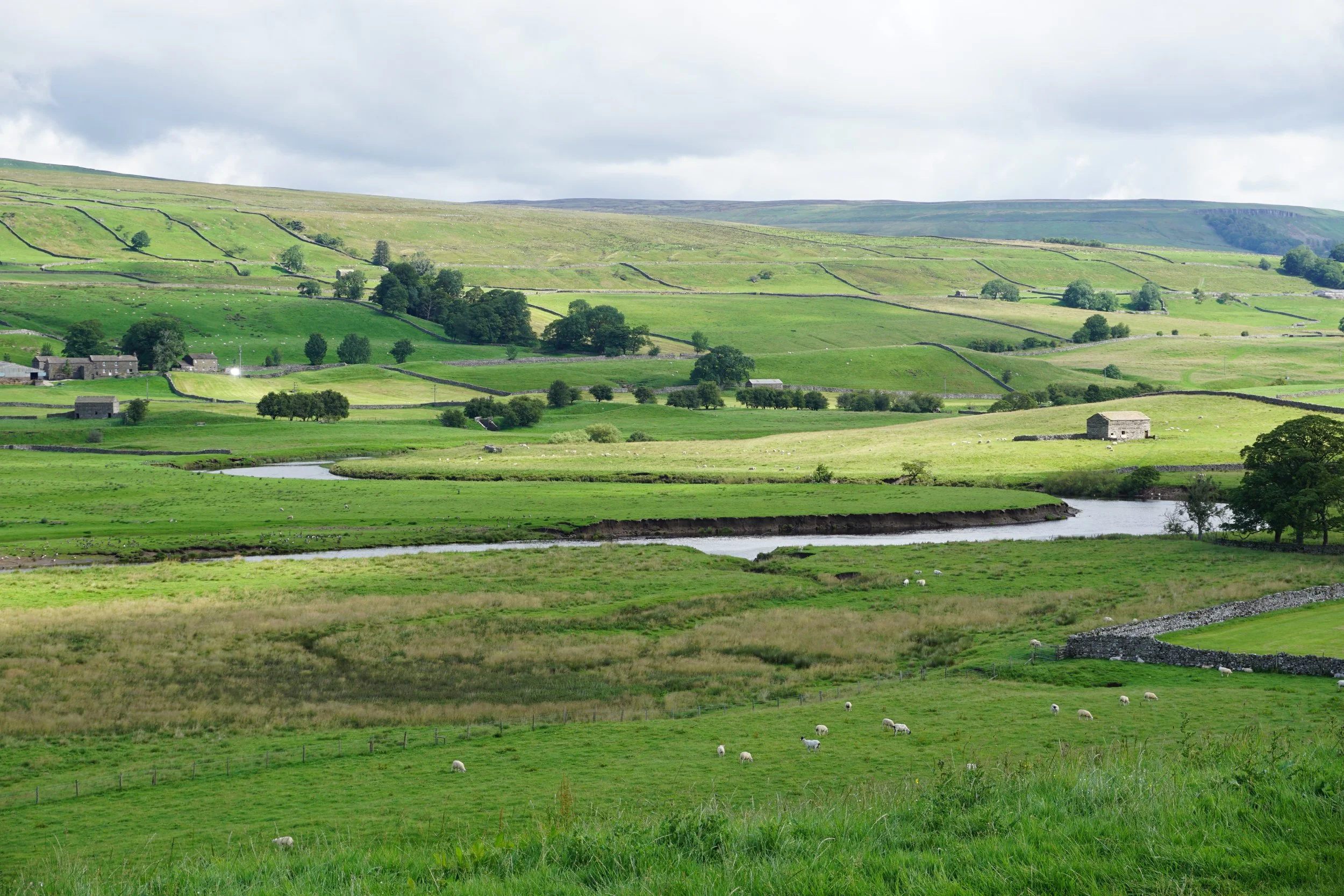
Nature recovery is not an isolated environmental objective, but a critical component of climate resilience, economic prosperity and healthy communities.
Internally, Accelar has been evolving our climate transition and nature services in parallel to create greater value for clients and respond to growing market demand for integrated solutions. As part of this process, we have brought in climate resilience specialist Erin Connolly to join the team.
Erin works at the intersection of climate risk, adaptation and strategy and sees this cohesive approach as integral:
“Throughout my work in climate risk and adaptation, across sectors such as aviation and defence, I've seen the value of looking beyond individual issues and understanding the connections between them. Bringing climate and nature together enables organisations to make more informed decisions, build resilience more effectively, and create benefits that extend far beyond compliance.”
The problem with fragmented planning
As climate action functions have matured, responsibility for transition planning has often become fragmented. Net zero teams focus on emissions reduction, sustainability teams lead biodiversity initiatives, while risk and resilience teams assess physical climate impacts. Investment decisions are developed through different business cases, measured against different objectives and funded through separate budgets.
The result is fragmented decision making. Organisations invest time and resources managing individual risks while missing opportunities the green transition brings to address multiple challenges through a coordinated approach. In some cases, actions to reduce one risk can actually inadvertently increase or cause another. Within this system, transition plans become a collection of disconnected commitments rather than a coherent strategy.
Why this matters now
The need for a more integrated approach has never been greater.
Climate change is no longer a future challenge. Businesses and infrastructure operators are already experiencing tangible impacts today. The recent long and extreme heatwaves have had direct impacts to many businesses we work with, including being able to get to offices, meetings or events due to train cancellations and impacts for carers with schools shutting. The irony wasn’t lost on us when events were cancelled at London Climate Action Week because of extreme weather.
The CBI Economics The Future is Green report highlights that nearly nine in ten UK businesses report experiencing the impacts of climate change, with 28% reporting increased raw material costs and 22% experiencing direct supply chain disruption as a result.
As climate impacts become more immediate and unpredictable, organisations are finding that resilience is no longer just about managing risk, it’s about maintaining the ability to deliver projects and outcomes on the ground. Our team are seeing these real-world examples across their work:
“The window for river restoration delivery is already quite limited due to various spawning seasons and the unpredictability of weather is placing further constraints and delays on what are already quite complicated projects.” Melanie Sanders, Principal Consultant at Accelar
The consequences extend beyond individual organisations. Critical infrastructure is already under increasing pressure from climate hazards. The UK Climate Change Committee reports that around one-third of road and rail kilometres are currently exposed to flooding, rising to approximately half of the network by 2050 without further adaptation.
At the same time, organisations are navigating the economic transition to a net zero and nature-positive economy. Managing these physical and transition risks separately is becoming increasingly inefficient. The challenge is no longer whether to act, but how to create strategies that deliver resilience, competitiveness and wider value simultaneously.
A different way to think about transition planning
What if climate, nature and resilience were treated as one challenge?
Rather than developing separate plans for emissions, biodiversity and adaptation, organisations could identify interventions that deliver across all three objectives simultaneously. This type of integrated approach creates opportunities to:
Reduce both physical and transition risks
Strengthen investment cases through multiple benefit streams
Improve outcomes for communities and local economies
Deliver greater value from limited budgets
Build more resilient assets, places and organisations
Most importantly, it allows organisations to move from managing risks in isolation to shaping positive long-term outcomes, including planning for social value as an outcome of transition planning. We see infrastructure as such an important piece of the puzzle helping to achieve these outcomes for society, the economy and the environment.
In our research on social value and adaptation, we found that resilience works best when it protects people, places and services, not just assets. That same thinking is shaping the next generation of transition planning, where climate, nature and resilience are brought together to create wider social and economic value.
“This reflects a wider move from asking ‘How do we protect the asset?’ to ‘How do we protect the service, the user and the places connected to it?’”
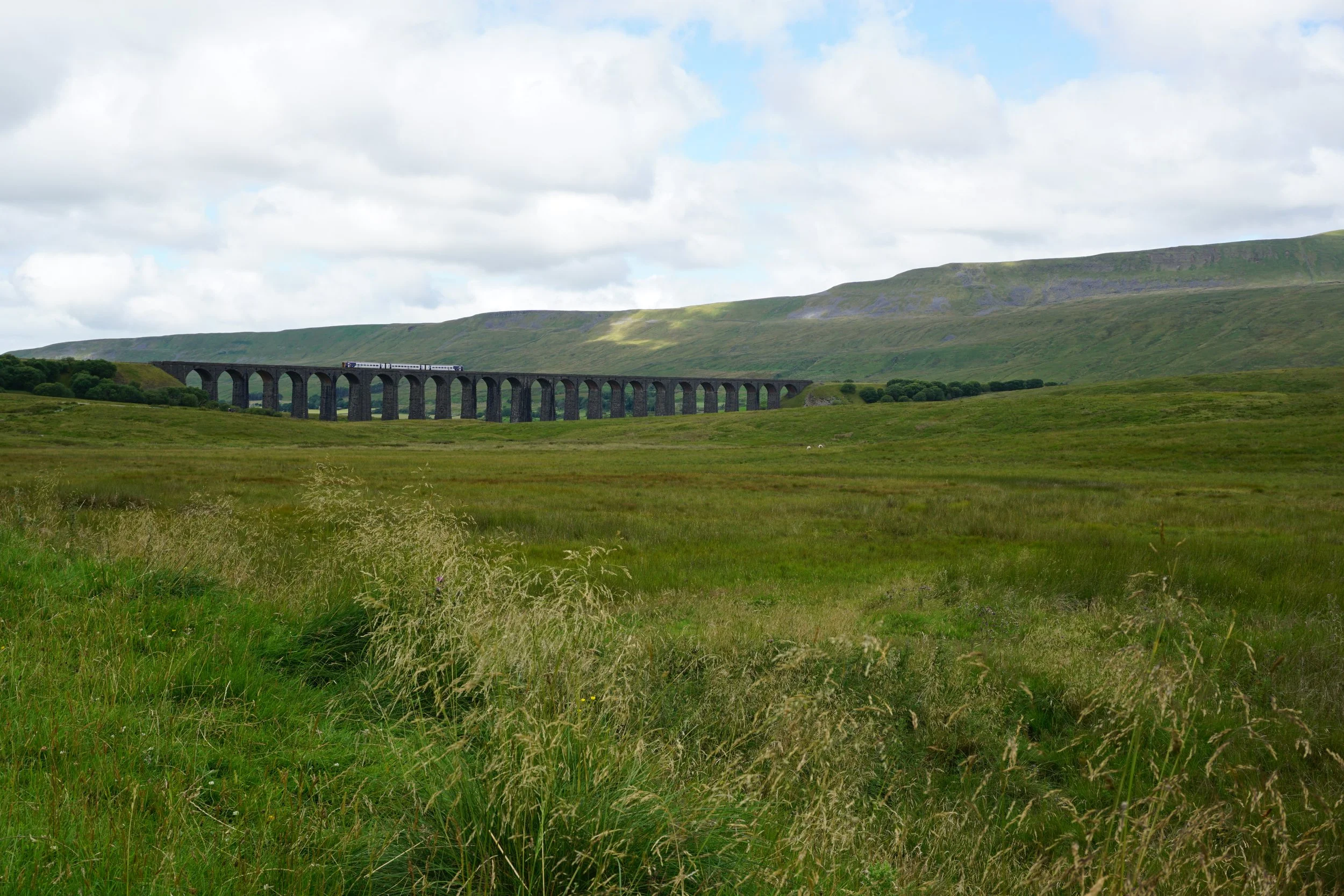
Dales Ribblehead Viaduct
Nature-based solutions: Integration in practice
One of the clearest examples of what integrated transition planning can achieve is through nature, with initiatives such as the Rebuilding Nature Alliance and Flood Action Coalition showing how nature can be treated as infrastructure and used to deliver practical nature-based solutions.
Flood attenuation schemes, urban greening programmes, habitat restoration projects and climate-resilient landscape design can reduce climate risk while simultaneously supporting biodiversity recovery, improving health and wellbeing, creating more attractive places and generating local economic benefits.
Large-scale landscape recovery initiatives are also a powerful example. By dynamically restoring a mosaic of rivers, wetlands and natural habitats, these projects can help reduce flood risk, improve water quality, sequester carbon, support biodiversity and strengthen local economies through recreation and land management opportunities. Rather than delivering a single outcome, they create multiple forms of value from a single intervention.
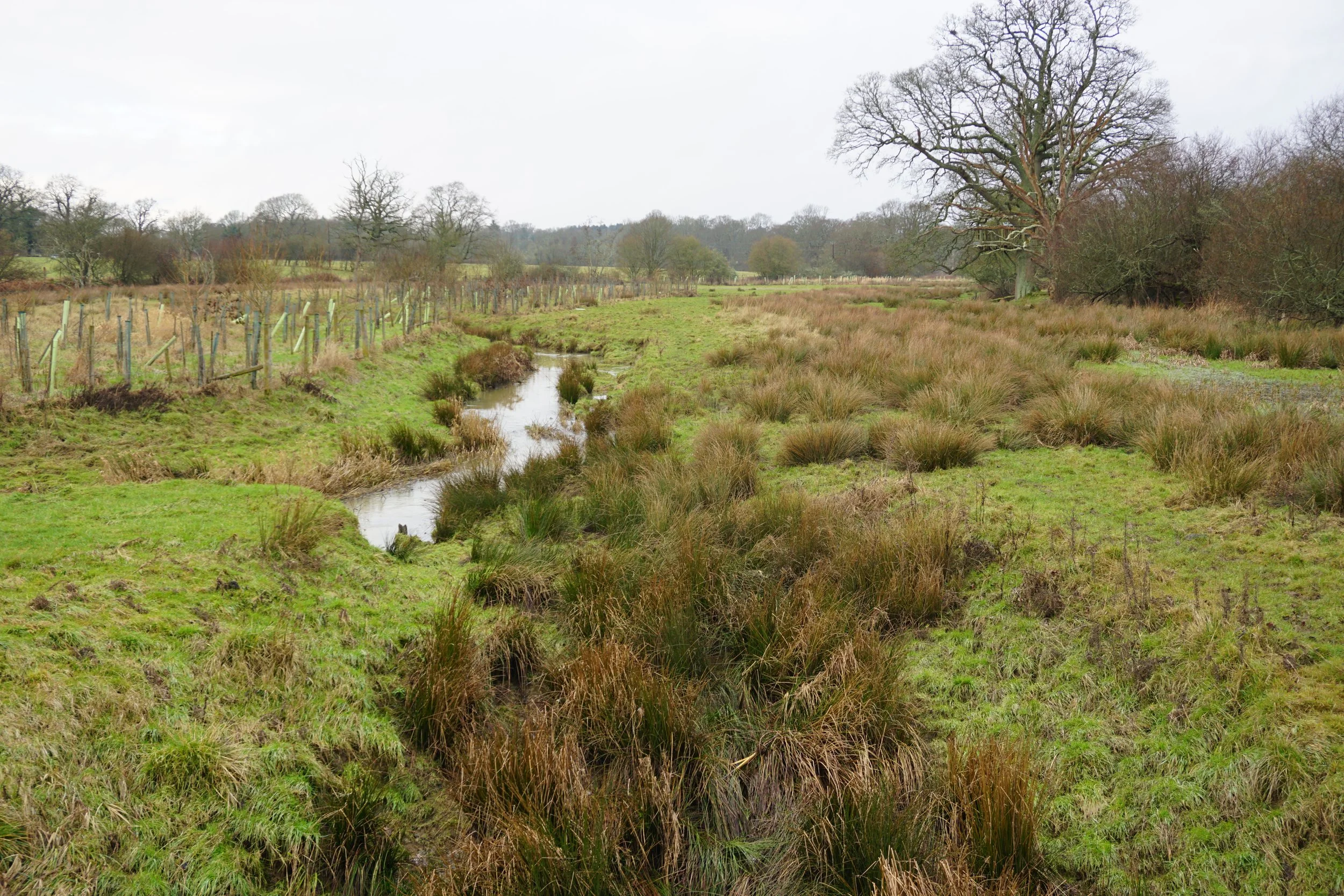
River Adur Restoration - Wetland and Tree Planting
These types of nature-based solutions are also critical to the success of restoration projects as climate impacts intensify.
Principal Consultant Melanie Sanders explains how our client Knepp Wildland Foundation is embedding nature-based solutions into the Adur River Recovery project:
"In the South East, we are experiencing the devastating impact of climate change on our water resources - year on year we are seeing lower and no flows in our rivers, and extended periods of no rainfall. Projects like the Adur River Recovery are looking at creating long-term, sustainable solutions to mitigate for these impacts ensuring water is held in the landscape all year round and creating a healthy and resilient ecosystem for people and wildlife.
The Knepp Wildland in Sussex is an excellent example of where nature is taking the lead. We've seen directly the rapid impact that beavers have made in the landscape there, not least the huge uplift in biodiversity, but also their ability to engineer habitats that remain wet even in the summer months. With the ever-increasing threat of extreme heat, they're providing a refuge for wildlife, a natural barrier to wildfires, and recharging our groundwater levels."
Nature-based solutions demonstrate that climate adaptation, nature recovery and social value do not need to compete for investment. When considered together, they can reinforce one another and generate stronger business cases than any one objective alone.
This is where some of the most compelling transition opportunities are emerging: initiatives that deliver carbon reduction, resilience enhancement and nature recovery while improving the experience of the people who live, work and invest in those places.
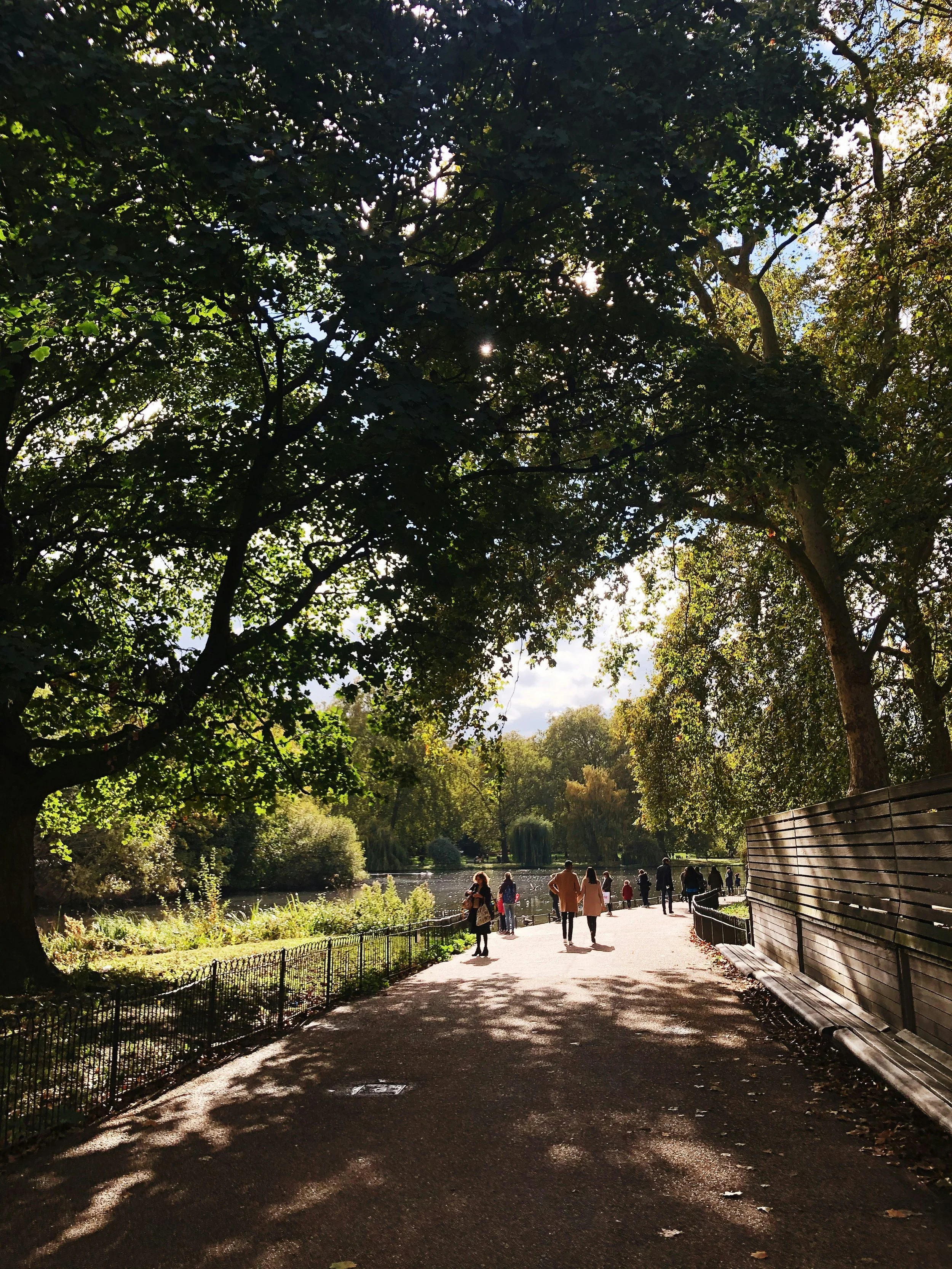
Some of the most compelling transition opportunities are emerging as initiatives that deliver carbon reduction, resilience enhancement and nature recovery while improving the experience of the people who live, work and invest in those places.
From risk management to value creation
Gone are the days of creating long lists of commitments, the future of transition planning is developing joined-up strategies that recognise the relationship between carbon, nature, resilience and social value.
Organisations that continue to address these issues separately risk duplicating effort and budget and are likely to overlook opportunities for greater value creation.
At Accelar, we help organisations to make this shift by connecting climate risk, resilience, nature and social value into a single strategic framework. We can see that the next generation of transition planning will not be measured by tonnes of carbon reduced. It will be judged by its ability to create resilient organisations, thriving places and stronger economies in a changing climate.